

15 Surprising Snow Facts Inspired by The United States' Recent Massive Nationwide Snowfall
Posted by Derek Gamble - SnoBlox-Snojax Specialist on Feb 11th 2026
What The Massive Snowstorm of 2026 Revealed About Snow and Its Hidden Dangers in The United States.
This winter delivered a storm so large and intense that it is still affecting daily life across the United States.
From record-breaking totals to widespread power outages, from roof collapses to snow disposal shortages, the storm reminded us just how powerful winter weather can be, and how unprepared many regions still are for extreme snow events. Below are 15 eye-opening facts about snow, with insights from this year's extraordinary nationwide snowfall.
❄️ 1. This Year's Storm Was One of the Most Widespread in Decades
The recent storm system stretched across nearly two-thirds of the continental U.S., affecting regions that rarely see measurable snow. Meteorologists noted that over 70 million Americans were under winter storm alerts at the same time, a level of coverage usually reserved for hurricanes, not snow. The storm's reach shut down major interstates for days, forced airlines to cancel thousands of flights, disrupted supply chains, and stretched emergency crews to the limit. Some states recorded their highest 24-hour snowfall totals in decades. In contrast, others saw snow for the first time in years, making this one of the most impactful winter storms of the century.
❄️ 2. Snow Isn't Actually White, And This Storm Proved It
Snow only appears white because its ice crystals scatter all wavelengths of light. But during this storm, many areas reported brown, gray, or even pinkish snow. High winds ahead of the system kicked up desert dust, industrial particulates, and soil from drought-stricken regions, all of which became trapped in the storm and froze into falling flakes. Some communities even issued advisories warning residents not to eat the discolored snow due to potential contaminants.
❄️ 3. Snowfall Totals Varied Wildly, Even Within the Same Town
One of the most surprising features of this storm was the presence of micro-snowbands, narrow corridors of intense snowfall that dropped 10–20 inches more snow than the surrounding areas. This anomaly buried one neighborhood while leaving the next with only a few inches of snow. Plow routes became unpredictable, and emergency crews struggled to prioritize areas. These micro-bands formed when cold air collided with pockets of moisture, creating hyper-localized snowfall that baffled residents and forecasters alike.
❄️ 4. Snowflakes Can Fall Faster Than You Think
While most snowflakes drift lazily at 1–2 mph, the large, wet flakes in this storm were dense enough to fall at speeds approaching 20 mph. These fast-falling flakes dramatically reduced visibility, contributing to multi-vehicle pileups, road closures, and increased injury rates. During the height of the storm, some regions reported whiteout conditions lasting 6–10 hours, making travel nearly impossible.
❄️ 5. People often overlook snow retention on pitched roofs until a storm like this hits.
Example of a roof without a proper snow retention system.
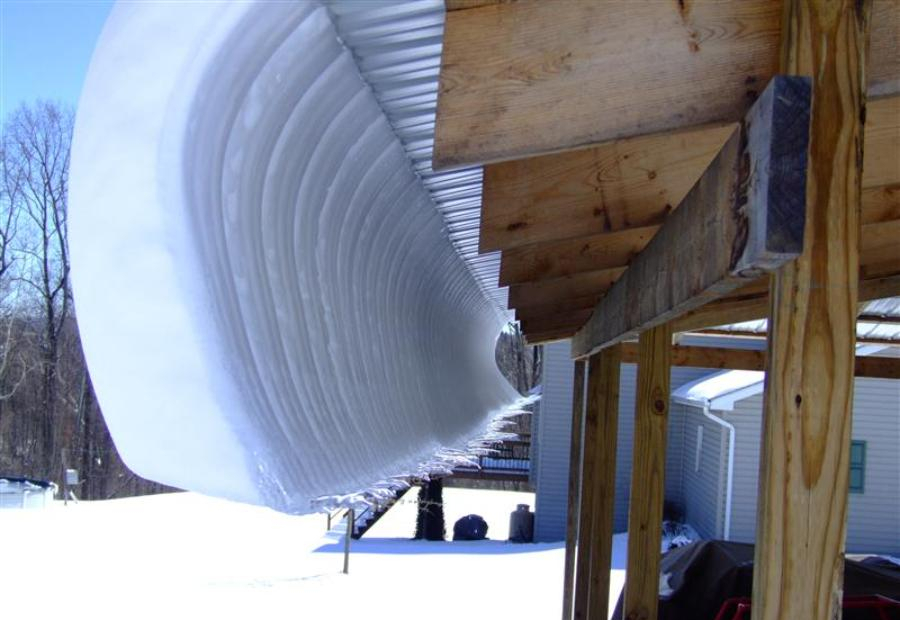
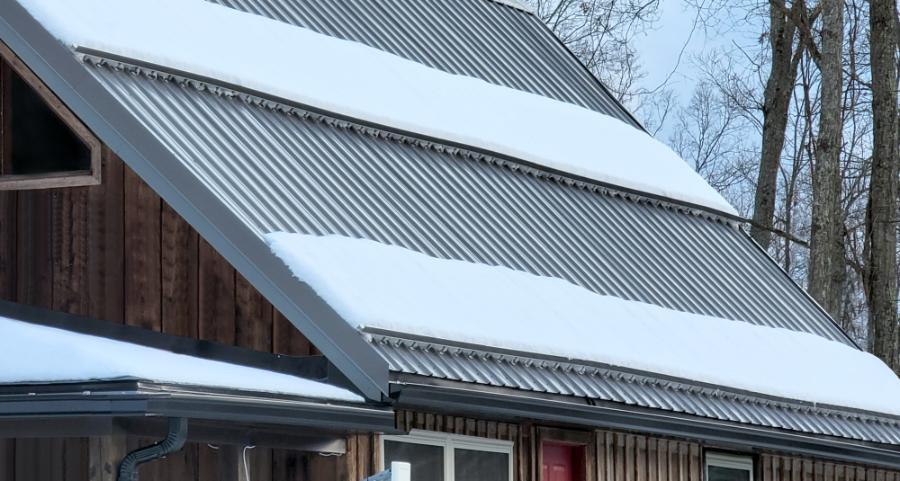
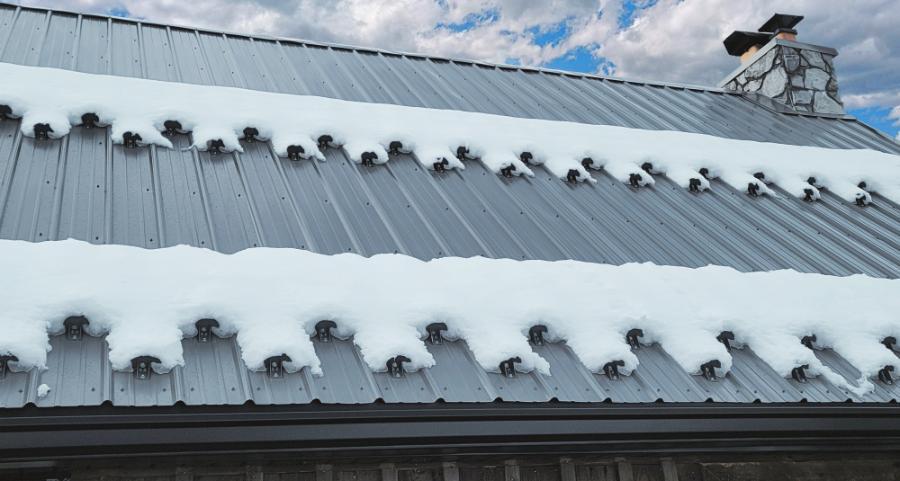
In many regions, especially those that don't regularly see heavy snowfall, homeowners rarely think about how quickly snow can slide off a pitched roof, let alone a steep roof. Without proper snow-retention systems or snow guards, large sheets of snow and ice can release all at once, crashing down with enough force to damage gutters, crush landscaping, or injure anyone standing below. This storm made that risk impossible to ignore. As temperatures fluctuated and roofs accumulated dense, heavy snow, countless homeowners have experienced it. They are still experiencing sudden "roof avalanches" that catch them off guard. Snow-retention systems, such as individual pad-style snow guards and snow rail systems, are designed to hold snow in place so it can melt gradually. Still, in much of the country, they're treated as optional rather than essential. This storm was a stark reminder that managing snow on roofs isn't just about preventing collapses; it's also about controlling when and how that snow releases.
Examples of proper snow retention strategies in place.
❄️ 6. Snowflakes Come in Dozens of Shapes, And This Storm Showed Off Several
Snowflakes form differently depending on temperature and humidity, and this storm produced a rare mix of conditions that created classic six-pointed dendrites, needle-like crystals, hollow columns, triangular flakes, and even rare 12-branched "stellar plates." Social media exploded with macro photography as people captured these intricate shapes before they melted, a small moment of beauty in an otherwise chaotic storm.
❄️ 7. Many People Heard "Frost Quakes" During the Cold Snap
As temperatures plunged behind the storm, frozen groundwater expanded rapidly, causing the ground to crack with explosive force. These events, called cryoseisms, sound like gunshots or distant explosions. This year, frost quakes affected residents across the Midwest, the Northeast, and parts of the Mid-Atlantic. Some people even called emergency services, unsure of what they were hearing.
❄️ 8. Snow Drifts Reached the Height of SUVs
High winds sculpted snow into towering drifts, some reaching 8–12 feet. These drifts blocked entire homes, buried vehicles, collapsed fences, and created uneven roof loads. In some areas, residents opened their front doors to a solid wall of snow.
❄️ 9. Snow Can Actually Insulate Homes, But It Also Traps Moisture
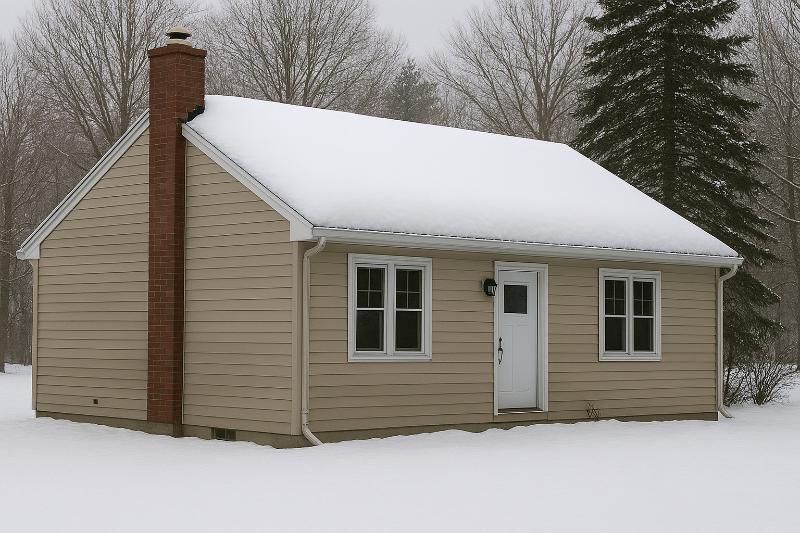
Fresh snow contains trapped air, making it surprisingly effective as an insulator. Some homeowners noticed their heating systems running less once their roofs were covered. Holding snow on your roof can actually save you a significant amount of money on your heating costs during the winter.
❄️ 10. It Doesn't Need to Be Freezing to Snow
Many areas saw snowfall at 38–40°F, confusing residents who assumed snow required temperatures below freezing. This condition occurs when warm air sits at the surface. At the same time, cold air aloft cools falling raindrops, allowing flakes to reach the ground before melting. This phenomenon contributed to the storm's unusually wide reach, bringing snow to regions that rarely see it.
❄️ 11. Snow Absorbs Sound, Creating an Eerie Silence
Fresh snow can absorb up to 60% of ambient noise, creating the peaceful, muffled quiet that many people noticed during the storm. Widespread road closures, power outages, shuttered businesses, and residents staying indoors amplified the silence. The result was a winter landscape that felt almost otherworldly.
❄️ 12. Walking Through Deep Snow Burns More Calories Than Running
Deep snow turns every step into resistance training, and walking through knee-deep snow can burn two to three times more calories than walking on pavement. This year, emergency rooms saw a spike in back injuries, heart strain, slips and falls, and overexertion incidents. Shoveling alone sends tens of thousands of people to the hospital every winter, and this storm was no exception.
❄️ 13. Snowfall on Mars Exists, But Earth's Storm Was Far More Intense
Mars experiences carbon dioxide snow, "dry ice snow", but only in thin layers and under extremely cold conditions. Earth's atmosphere, by contrast, supports moisture-rich storms, heavy snow bands, rapid accumulation, and even thunder-snow events. This year's storm produced thunder-snow in several states, a rare and dramatic phenomenon.
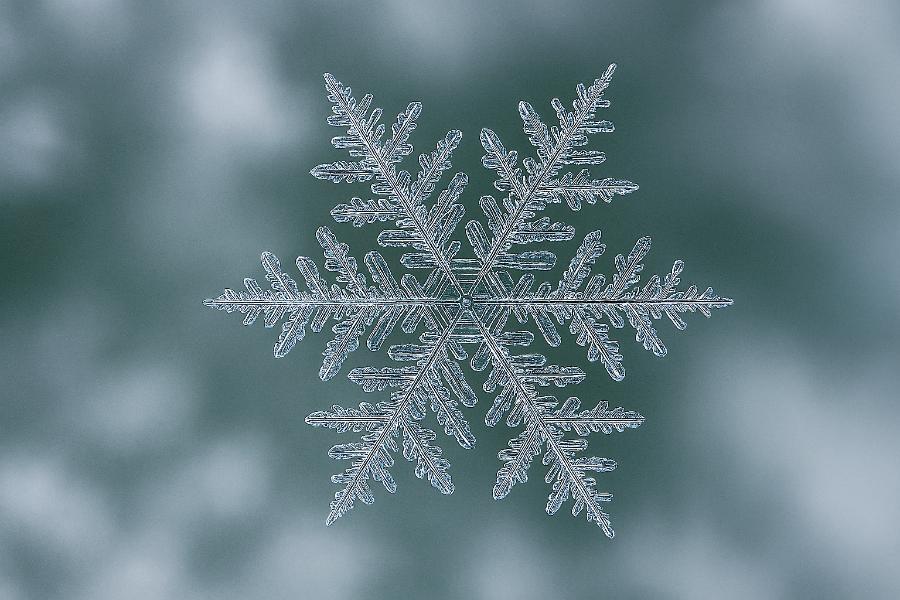
❄️ 14. The Largest Snowflake Ever Recorded Was 15 Inches Across
While this storm produced some impressively large flakes, none came close to the legendary 15-inch snowflake recorded in Montana in 1887. Still, many regions reported unusually large, wet flakes that stuck to everything and accumulated rapidly, contributing to the storm's heavy snow load.
❄️ 15. Many Areas Are Still Struggling With the Aftermath
Almost 2 weeks after the storm, communities across the country are still dealing with widespread power outages, damaged infrastructure, collapsed roofs, blocked roads, and a shortage of snow-disposal sites. Some towns have resorted to trucking snow to distant fields, melting it with industrial equipment, or closing streets to create temporary snow-dump zones. The lingering impacts highlight just how disruptive a major snow event can be long after the flakes stop falling.
Final Thoughts
This winter's massive snowfall wasn't just a weather event; it was a nationwide stress test. It revealed vulnerabilities in infrastructure, highlighted the importance of roof safety, and reminded us that snow is as dangerous as it is beautiful. For more interesting facts and for more informaiton on our snow retention products, make sure to check out our other blog posts. We publish new blogs 3 times a week.