
Snow Guards For Exposed Fastener Metal Roof Panels by Kirby Building Systems
Posted by Derek Gamble - SnoBlox-Snojax Specialist on Jul 22nd 2024
See the Snow Guards Compatibility Chart for Kirby Building Systems Screw Down Metal Roofing Panels.
Choosing snow guards for Kirby Building Systems exposed fastener roofing panels involves evaluating rib design, mounting locations, and panel layout. This guide outlines compatible SnoBlox-Snojax snow retention options for these panel profiles.
⚡ Quick Compatibility Summary
Use this guide for quick identification. See the full matrix below for specific Kirby Building Systems panel compatibility.
- R-Panel Profile: Compatible with most screw-down and adhesive-mounted polycarbonate snow guards, stainless steel SnowCatcher models, SnoCleat PBR, SnoBar PBR, and ColorBar PBR systems.
- Translucent R-Panel Profile: Not recommended for snow retention. These non-metal panels lack the testing and structural data needed for safe snow guard installation.
- SnoCleat 2.67, SnoBar 2.67, and ColorBar 2.67: Not compatible with Kirby R-Panel profiles because these systems fit 2.67 corrugated panels.
- Mounting Guidance: Install individual snow guards and rail brackets through the panel flats into solid structure. Do not rely on the roof panel alone for support.
- Adhesive Note: Use Surebond SB-190 with compatible polycarbonate glue-down snow guards. Do not use adhesive for metal pad-style guards.
Never screw individual snow guards or rail brackets into the high ribs. 2.67 corrugated panels are the exception to this rule. See the full compatibility chart
R-Panel Profile
The R-Panel metal roofing system offers a blend of practicality and visual appeal, making it a popular choice in the industry. This panel design features a generous 36-inch coverage area, with distinctive ribs spaced at 1-foot intervals. This configuration enhances the panel's structural integrity and creates an eye-catching pattern of shadows across the surface. The panel's 1.25-inch tall ribs contribute to the panel's robust profile. Customers can select from two steel thicknesses - 24 or 26 gauge - to suit their needs. The R-Panel's versatility is further demonstrated by its wide range of available lengths, spanning from a modest 3 feet to an impressive 45 feet, allowing it to adapt to diverse building specifications. Installation is straightforward, with the panel being suitable for roofs with a minimum pitch of 1:12. The reinforced rib design bolsters the panel's strength. The R-Panel is a cost-effective option for roofing and wall applications in steel building systems. The R-Panel has cemented its reputation as a go-to solution in metal roofing thanks to its durability, aesthetic appeal, and adaptability. See the Snow Guards Compatibility Chart for Kirby Building Systems Screw Down R-Panel Metal Roofing Panels.
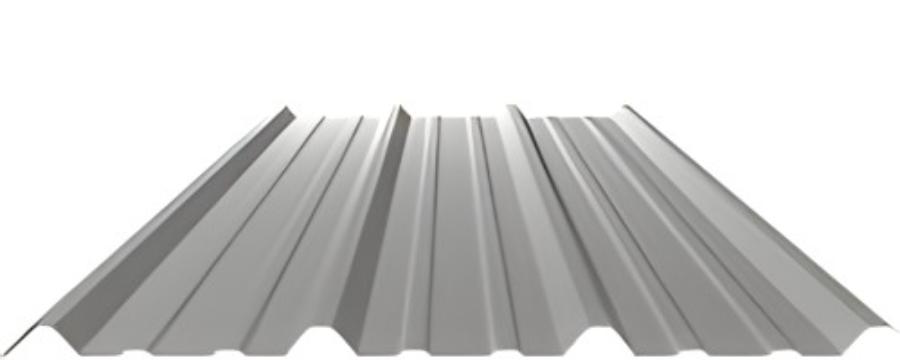
R-Panels offer remarkable flexibility when installing snow guards, catering to various preferences and requirements. These panels are compatible with multiple snow guard models, including the screw-down SnoBar, ColorBar, SnoCleat PBR, and the stainless steel SnowCatchers, including designs like the Standard, Fleur-de-lis, Sun Burst, Maple Leaf, Mustang, and Kodiak. Additionally, most polycarbonate snow guard models, except the Snojax I, can be affixed to these panels using adhesive or mechanical fasteners. It's crucial to note that the Snojax I requires installation solely with mechanical fasteners. When working with glue-down polycarbonate models, you must use the Surebond SB-190 adhesive because the manufacturer formulated it specifically for compatibility with these materials. This glue is incompatible with metal pad-style snow guards. You should mount smaller snow guards between the minor ribs, centering them on the panels for optimal installation. Specific models, such as the Snojax II and Icejax II, necessitate off-center mounting, straddling either the left or right minor rib, and consistent placement over the same rib is vital in these cases. It is essential to avoid securing individual snow guards or rail systems directly onto the high ribs of the panel. Instead, the recommended approach is to fasten them by screwing through the panel's low flats into a solid underlying structure, ensuring maximum installation strength and stability.
Translucent R-Panel Profile
Kirby Building Systems offers translucent R-Panel Exposed Fastener Roof Panels, which allow natural light to enter buildings, potentially leading to energy savings. These panels have the same profile as their metal counterparts; however, we do not recommend using snow retention systems with these translucent panels. Although specific snow guards might fit the panel's profile, more comprehensive testing and data on the performance and safety of snow retention systems on these non-metal roof panels are required. This absence of testing raises concerns about the structural integrity and long-term durability of installations using snow guards on translucent R-panels. Therefore, avoiding snow guards on these panels is advisable until proper testing and validation confirm their safety, effectiveness, and correct installation methodology. See the Snow Guards Compatibility Chart for Kirby Building Systems Screw Down R-Panel Metal Roofing Panels.
Considerations for Adding Snow Guards to Exposed Fastener Roofs by Kirby Building Systems
Strategically Positioning Snow Retention Systems
The placement of snow guards is critical, regardless of the type you select. For layout recommendations, it's advisable to refer to the snow guard manufacturer's guidelines. Our website offers complimentary resources like spacing guides and personalized quote request forms. Avoid installing snow guards in only isolated areas, leading to system overload and potential failure.
Assessing Your Roof's Snow-Bearing Capacity
Understanding your roof's ability to handle snow loads is vital when selecting snow retention systems. Meteorological experts use historical data to establish snow loads for specific geographic regions. Individual guards or screw-down rails are typically sufficient for areas with ground snow loads of 45 PSF or less. However, regions experiencing heavier snowfall require exclusive use of rail systems.
Ensuring Proper Anchorage for Snow Guards
It's crucial to fasten mechanically mounted snow guards to a robust substrate securely. Aim for at least one inch of solid wood, such as plywood decking or purlins. For metal structures, attach directly to metal purlins when feasible. Avoid relying solely on the roof panel for support. If additional reinforcement isn't possible and snow loads are manageable, consider adhesive products for less sturdy underlying structures.
Coordinating Snow Guard Colors with Your Roof
Consider matching your snow guards to your roof's color for a cohesive appearance. Our ColorBar and SnoCleat systems offer the option of color strip inserts on the front faces. You can purchase these strips with the guards or create them with excess roofing material on-site. Alternatively, our pad-style metal snow guards and snow rail systems can be powder-coated to match your roof. Remember that powder coating may extend lead times, so consider local coating services or DIY painting upon arrival for quicker results.
Optimizing Adhesive Snow Guard Installation Timing
The timing of adhesive-mounted snow guard installation is crucial. Late spring or early summer is generally the ideal period in North America. Our recommended adhesive, Surebond SB190, requires approximately one month of temperatures above 50°F (10°C) to cure completely. While cold weather won't damage the adhesive, it will pause the curing process until warmer conditions return. After 24 hours, rain typically doesn't pose an issue.
Waterproofing Techniques for Roof Snow Guards
Proper silicone sealant application is essential when installing screw-mounted polycarbonate snow guards. Ensure complete coverage of the base and press firmly to eliminate air pockets. While our metal snow guards and snow rail brackets come equipped with waterproof gaskets, some installers opt to apply additional sealant around the edges for extra protection, though this isn't mandatory.
Conclusion
SnoBlox-Snojax provides extensive support for snow guard installations, offering a wealth of resources and personalized assistance to help customers achieve the best possible outcomes. Our committed team is readily available to address any queries or concerns during this process. We encourage clients to contact us via email at support@snojax.com or by phone at 800-766-5291 for tailored guidance. In addition to our direct support, we have developed various informational tools designed to enhance understanding and improve the execution of snow guard installations. Our Snow Guard Buyer's Guide offers essential insights to inform decision-making. At the same time, our "What Works and Doesn't" page provides practical advice. It highlights potential challenges to help customers navigate installation more smoothly. We strongly recommend that clients utilize these resources to comprehensively understand our snow guard solutions. At SnoBlox-Snojax, we are committed to delivering superior products and empowering our customers with the knowledge and expertise needed to maximize the effectiveness of our solutions in real-world applications. We aim to ensure clients have the tools and information to succeed in their snow guard installations. This goal showcases our dedication to product quality and customer support excellence.