
Snow Guard Solutions for Metallic Building Systems Exposed-Fastener Roof Panels
Posted by Derek Gamble - SnoBlox-Snojax Specialist on Dec 22nd 2025
See the Snow Guards Compatibility Chart for Metallic Building Systems Exposed-Fastener Metal Roofing Panels.
Which Snow Guards Work Best with Metallic Building Systems’ Exposed-Fastener Panels?
Metal roofs with exposed fasteners are especially vulnerable to sudden, heavy slides of snow and ice once winter arrives.
These rapid, unexpected movements, often called rooftop avalanches, can pose serious safety risks around a building's perimeter. Because exposed-fastener panels have smooth surfaces, snow usually slides off in large sheets rather than melting gradually. When this occurs, anything below the eave, such as people, pets, vehicles, landscaping, or outdoor equipment, can be at risk. To reduce these dangers, we offer snow retention options tailored to specific panel profiles and climate conditions. Installers can choose from individual pad-style guards or continuous rail systems, making it easier to accommodate different roof pitches and panel configurations. Our blogs, installation resources, compatibility charts, and manufacturer-focused guides help contractors and property owners identify the right solution. Whether your area sees occasional flurries or significant winter accumulation, snow retention is essential for controlling how snow releases from a metal roof.
About Metallic Building Systems and Its Exposed-Fastener Panels
Metallic Building Systems is a major manufacturer of custom-engineered metal buildings known for producing durable, high-performing structures with impressive speed and precision. With more than 3.5 million square feet of production capacity across North America, the company blends advanced engineering with a customer-centered approach that supports projects from start to finish, as part of Cornerstone Building Brands, the largest exterior building products manufacturer in North America. Metallic benefits from extensive resources, ongoing innovation, and a nationwide network of experienced builders and service teams. This combination creates a streamlined, single-source experience built on values like safety, integrity, teamwork, and continuous improvement. Their mission is to deliver reliable, efficient building solutions that strengthen the communities they serve.
PBC Panel
Metallic Building Systems designed the PBC panels for both roofing and wall applications. The 2.67 wavy corrugated profile uses exposed fasteners and is also commonly installed horizontally on wall systems. These panels measure 32 inches wide, feature a 7/8-inch rib height, require a minimum roof pitch of 3:12, and are available in 22-, 24-, and 26-gauge steel. See the Snow Guards Compatibility Chart for Metallic Building Systems PBC Exposed-Fastener Metal Roofing Panels.
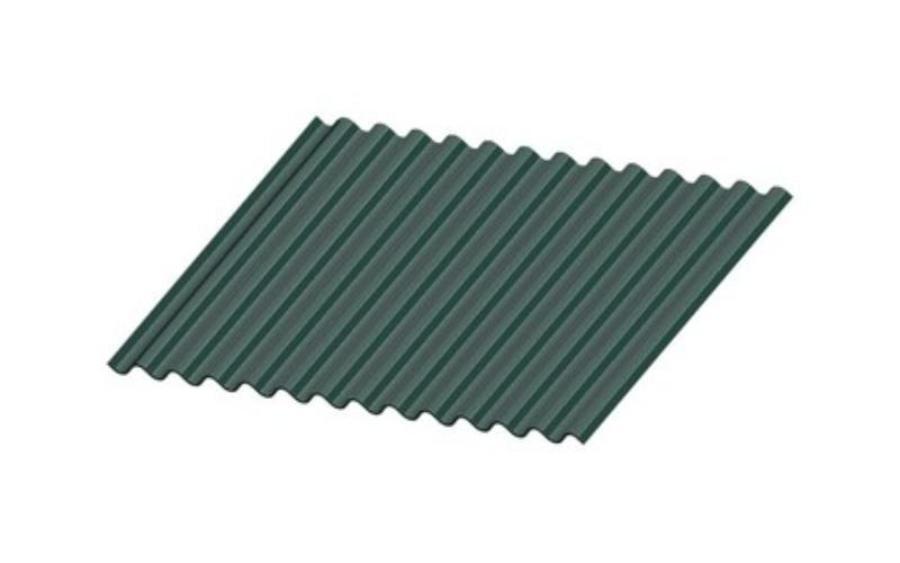
Because this panel lacks flat areas, it is not compatible with most traditional pad-style snow guards that require flats for mounting. For customers who need an individually mounted option, the SnoCleat 2.67 is specifically engineered to span two high ribs for proper attachment and uses 3-inch screws for secure fastening. Unlike most exposed-fastener panels, the wavy corrugated profile's shape makes high-rib mounting appropriate. Those seeking a rail-style solution can use SnoBar or ColorBar systems with the same bracket used for the SnoCleat 2.67, allowing continuous rail runs across the roof. Each 2.67 ColorBracket includes six screw holes. Installers typically use four fasteners, using the additional holes to increase holding strength in demanding environments.
PBD Panel
The PBD panel is another exposed-fastener option suitable for both roof and wall installations. Its symmetrical ribs run vertically from top to bottom, making it a strong choice for roof liner applications. These panels are 32 inches wide, have a rib height of 5/8 inch, require a minimum roof pitch of 3:12, and come in 22, 24, and 26 gauge thicknesses. See the Snow Guards Compatibility Chart for Metallic Building Systems PBD Exposed-Fastener Metal Roofing Panels.
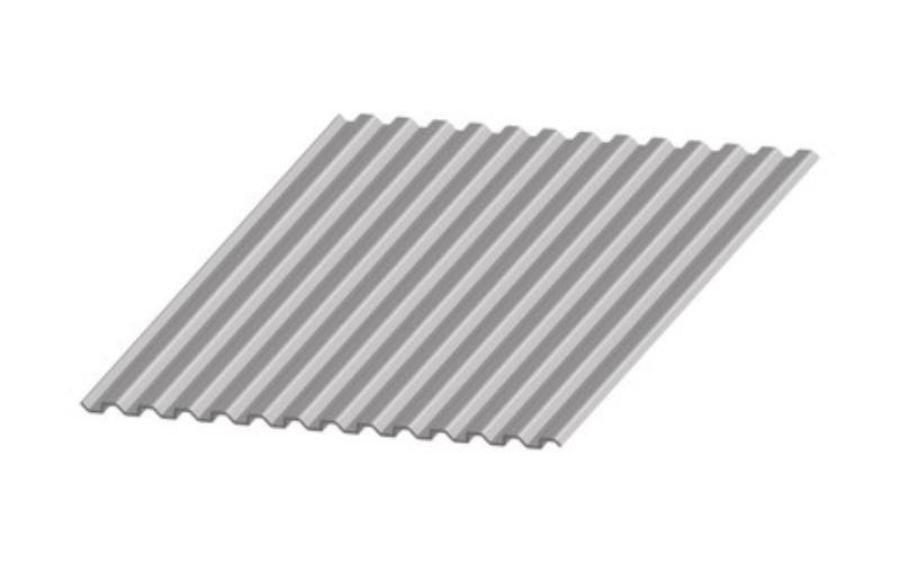
Although the ribs differ from the rounded, wavy shape of the PBC panel, the flat areas on the PBD are still too narrow for snow guards that require flat mounting surfaces. Because the PBD shares the same 2.67‑inch rib spacing as the PBC, installers can use the same 2.67 bracket to install the SnoCleat 2.67, SnoBar, and ColorBar systems. Installation guidelines mirror those used for traditional wavy corrugated panels.
PBR Panel
The PBR panel, often referred to as the R panel, is widely used across agricultural, commercial, and industrial projects due to its strength, versatility, and adaptability. You can customize this profile with various coatings, colors, substrates, and purlin‑bearing legs, and you can install it on both walls and roofs. The panel is 36 inches wide, features 1¼-inch ribs spaced 12 inches on center, and includes two evenly spaced minor ribs between each major rib. It requires a minimum slope of ½:12 and is available in 22-, 24-, and 26-gauge steel. Installers can place these panels directly over purlins or joists. See the Snow Guards Compatibility Chart for Metallic Building Systems PBR Exposed-Fastener Metal Roofing Panels.
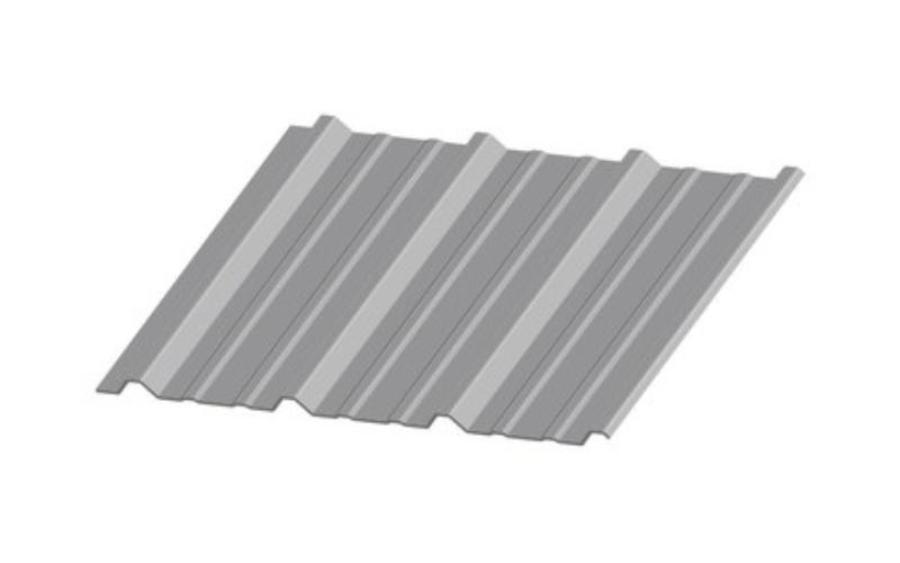
PBR panels are among the most flexible exposed-fastener profiles for snow guard installation, supporting a wide range of our products. They are compatible with screw-down SnoBar and ColorBar rail systems, the SnoCleat PBR, all stainless steel SnowCatcher designs (Standard, Fleur-de-lis, Sun Burst, Maple Leaf, Mustang, and Kodiak), and every polycarbonate snow guard we offer. All polycarbonate models, except the Snojax I, can be installed using either screws or adhesive. Installers typically use Surebond SB‑190 as the industry‑standard adhesive for polycarbonate guards. Still, they should not use it with metal pad‑style guards. While most snow guards mount in the center flat, installers may need to position some slightly off‑center to straddle a minor rib. When doing so, it's important to maintain consistent placement across the roof. For maximum strength, always fasten snow guards through the low flats into a solid structure.
PBU Panel
The PBU panel, also known as the U panel, is a cost-effective and highly adaptable exposed-fastener option for both roofing and wall applications. Its lower profile and softer appearance make it a popular choice for liner panels and partition walls, offering a clean, modern look. Installers can mount these panels vertically or horizontally and attach them directly over purlins or joists. The PBU profile is 36 inches wide, features ¾-inch ribs spaced 6 inches on center, requires a minimum slope of 1:12, and is available in 22-, 24-, and 26-gauge thicknesses. See the Snow Guards Compatibility Chart for Metallic Building Systems PBU Exposed-Fastener Metal Roofing Panels.
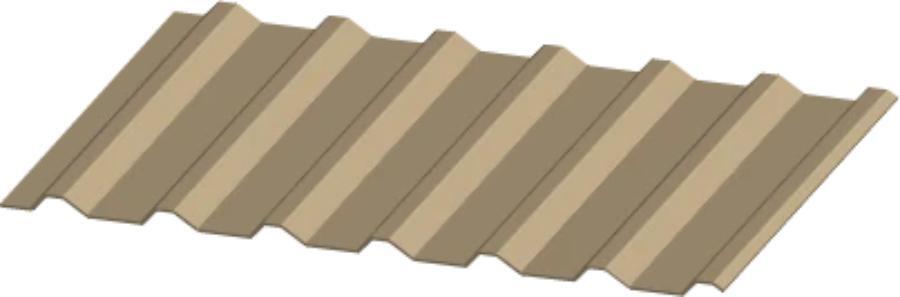
The panel’s low flats measure roughly 3½ inches wide, which limits, but does not eliminate, snow guard options. For holding snow and ice in place, suitable polycarbonate pad-style guards include the Ace, Deuce, and Icejax I. For controlled shedding that breaks snow into smaller, safer pieces, the SnowBreaker and SnowBreaker 3M are ideal choices. Installers can mount all of these models using screws or Surebond SB‑190 adhesive. For customers who prefer a rail-style system, installers can use tall ColorBrackets to fasten SnoBar and ColorBar to this panel mechanically.
Metallic Building Systems Compatibility Chart for Snow Guards
| PBC Panel | PBD Panel | PBR Panel | PBU Panel | |
|---|---|---|---|---|
 Ecojax |
NO | NO | YES | YES |
 IceJax I |
NO | NO | YES | YES |
 IceJax II |
NO | NO | YES | NO |
 SnoBlox Deuce |
NO | NO | YES | YES |
 Ace |
NO | NO | YES | YES |
 Snojax I |
NO | NO | YES | NO |
 Snojax II |
NO | NO | YES | NO |
 SnowBreaker |
NO | NO | YES | YES |
 SnowCatcher |
NO | NO | YES | NO |
 SnoBar PBR |
NO | NO | YES | YES |
 ColorBar PBR |
NO | NO | YES | YES |
 SnoCleat PBR |
NO | NO | YES | YES |
 SnoCleat 2.67 |
YES | YES | NO | NO |
 SnoBar 2.67 |
YES | YES | NO | NO |
 ColorBar 2.67 |
YES | YES | NO | NO |
Considerations for Adding Snow Guards to Exposed Fastener Roofs by Metallic Building Systems
Should I Test Fit Snow Guards Before Final Installation?
Test-fitting the guards on the roof ahead of time helps verify spacing and alignment. This dry run helps installers achieve a uniform layout and create a clean, professional appearance before full installation.
How Can I Coordinate My Snow Guards with My Roof?
Selecting finishes that blend with or closely resemble the roof’s color and style helps the guards appear more seamless. Powder-coated options provide durable, long-lasting color, while DIY coatings offer a quicker, cost-effective way to personalize the finish.
When Is the Best Time to Install Adhesive-Mounted Snow Guards?
Adhesive-mounted guards achieve the best bond during warmer months, typically late spring through early summer when temperatures remain above 50°F. Warm weather speeds up curing, while cold conditions slow it down. Adhesives such as SureBond SB-190 generally become moisture-resistant within roughly a day, helping minimize weather-related delays.
What Snow Guard Solutions Work Best for Unique Roof Shapes?
Roofs with curves, arches, or other unconventional designs often require custom-fabricated guards that match the roof's profile. Standard products may not sit correctly, so installers should rely on made-to-fit options and follow manufacturer guidance for proper placement.
How Can I Fasten Snow Guards for Maximum Strength?
For the most secure installation, anchor snow guards to structural components such as rafters or purlins rather than relying solely on the roof panels. Attaching to these framing members increases load capacity and improves long-term durability.
Should I Use Sealant Under My Screw-Mounted Snow Guards?
Adding sealant beneath screw-mounted guards helps seal small gaps, reduce the chance of leaks, and prevent moisture from getting underneath. This simple step boosts the overall dependability and lifespan of the installation.
Conclusion
At SnoBlox-Snojax, we design our snow retention systems with long-term performance as the top priority, focusing on solutions that stand up to years of harsh weather rather than temporary fixes that wear out quickly. Our reputation is built on clear communication and personalized support, helping us maintain strong relationships with customers across the country and around the world. From the earliest planning stages through installation, we provide practical product guidance, straightforward instructions, and responsive assistance. Resources like our Snow Guard Buyer's Guide and comprehensive installation manuals make it easier for building owners to choose the right system for their roof type and regional snow loads. Whether someone reaches out by phone or email, they can expect customized recommendations, help selecting the proper products, and prompt answers to any installation or ordering questions. By simplifying the process and providing reliable expertise, we ensure every customer receives a snow retention system that performs exactly as intended.
Do you have a metal roof from a different manufacturer?
Visit our "Snow Guard Compatibility by Roof Manufacturer" resource page for detailed information on which snow guards and snow retention systems are compatible with your metal roof.
Disclaimer
The views, recommendations, and information presented in this blog are solely those of the author and do not necessarily reflect the opinions or positions of the featured panel manufacturer, its brands, subsidiaries, or parent companies. Customers are strongly encouraged to reach out directly to the roof panel manufacturer for inquiries regarding snow guard compatibility with their products, as well as to address any potential warranty issues that may arise following the installation of our products.