
Snow Guard Options for APEC’s Exposed Fastener Metal Panels
Posted by Derek Gamble - SnoBlox-Snojax Specialist on May 4th 2026
See the Snow Guards Compatibility Chart for APEC Screw Down Metal Roofing Panels.

⚡ Quick Compatibility Summary
Use this guide for instant identification. See the full matrix below for specific models.
- PBR Panel: Compatible with adhesive-mounted and screw-mounted polycarbonate guards, mechanically fastened SnowCatcher models, SnowBreaker systems, and clamp-on rail systems including SnoBar, ColorBar, and SnoCleat PBR.
- PBU Panel: Best matched with Ace, Deuce, EcoJax, IceJax I, and SnowBreaker models using adhesive or screws. Also compatible with SnoBar, ColorBar, and SnoCleat PBR rail systems using Tall ColorBrackets.
- 7.2 Panel: Compatible with EcoJax, SnoBlox Deuce, and SnowBreaker products. Rail systems including SnoBar and ColorBar also work with this panel using Tall ColorBrackets.
- Products Not Universally Compatible: IceJax II, Snojax I, SnoJax II, SnowCatcher, and SnoCleat PBR do not work across all APEC exposed-fastener profiles.
- Installation Note: Textured panel finishes may require additional adhesive or sealant to achieve a reliable bond on adhesive-mounted snow guards.
Always fasten into structural support when possible. Proper attachment improves load capacity and long-term performance. See the full compatibility chart ↓
Which Snow Guards Work Best with APEC’s Exposed Fastener Panels?
Exposed-fastener metal roofs can quickly release snow and ice when temperatures rise or weather conditions shift.
Because the panels have a smooth surface, there is very little friction to slow movement, so snow and ice tend to slide off in large sheets instead of melting gradually. This sudden release, often called a roof avalanche, can pose risks to people, pets, vehicles, and anything positioned near the roofline. To help manage these hazards, we provide snow retention systems designed to fit a wide range of panel profiles and regional snow load requirements. Installers can choose from individual pad-style guards or continuous rail systems that spread holding strength across the roof. We also supply extensive educational resources, including installation guides, compatibility charts, manufacturer-specific recommendations, and in-depth blog content to support proper product selection. Whether the project is in a mild climate or a region with heavy winter conditions, controlling how snow releases from the roof is an important part of protecting the building and surrounding areas.
About APEC
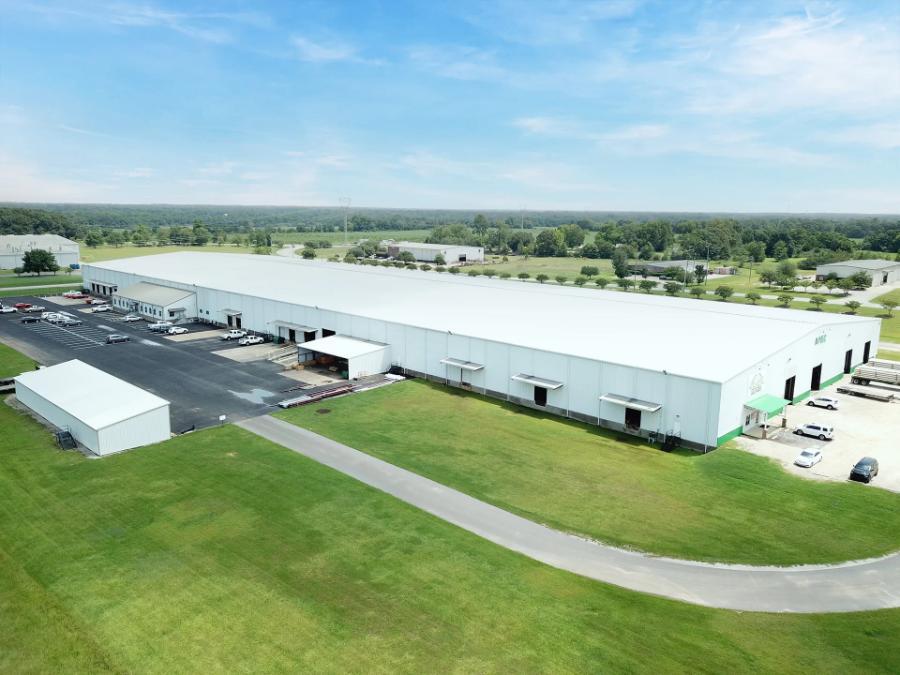
APEC manufactures metal roofing and building components in a modern 190,000-square-foot facility in Dothan, Alabama. The plant uses advanced roll-forming equipment, including Bradbury technology, to maintain consistent quality and reliable order fulfillment. The company offers a full range of metal building components. It uses standardized part numbering that aligns with industry norms, making it easier for contractors to source and install materials. In addition to individual components, APEC provides fully engineered roofing systems for new construction, re-roofing, slope conversion retrofits, and roof-over applications. Their products come with multiple warranty options, including weather-tightness coverage, material protection, and long-lasting paint finish warranties of up to 40 years.
PBR Panel
The APEC PBR Panel offers 36 inches of coverage with major ribs spaced 12 inches apart and standing 1¼ inches tall for added rigidity. It is approved for minimum roof slopes of 1-1/4 inch per foot and installs with exposed fasteners. This profile is available in 29, 26, 24, and 22 gauge steel, each manufactured to strict design and minimum delivered thickness standards. Its wide coverage, strong rib design, and broad gauge selection make it a reliable choice for both roofing and wall applications where strength and value are priorities. See the Snow Guards Compatibility Chart for APEC PBR Screw Down Metal Roofing Panels.

This panel is compatible with a wide range of our snow retention products, giving installers flexibility to match the system to the building and climate. Stainless steel pad-style guards from the SnowCatcher line, including the Standard, Sun Burst, Maple Leaf, Fleur de lis, Kodiak, and Mustang designs, can be mechanically fastened to the panel. Contractors can install polycarbonate options, such as the SnoBlox Deuce, IceJax II, and SnoBlox Ace, using adhesive or screws. The Snojax I is incompatible with adhesive installation. For breaking up sliding snow, the SnowBreaker and SnowBreaker 3M help disperse movement into smaller, safer pieces. In areas with snow loads above 45 PSF, or for customers desiring a cleaner appearance, rail systems like SnoBar and ColorBar offer strong, continuous protection. These systems use Tall ColorBrackets with butyl tape gaskets for proper sealing. Because the panel has a textured finish, installers may need to use a thicker layer of adhesive or sealant to achieve a dependable bond.
PBU Panel
The PBU Panel also provides 36 inches of coverage. Still, it uses more frequent rib spacing at 6 inches on center, with rib heights listed as 12/15 inches. APEC approves this panel for minimum slopes of 1/2 inch per foot. It installs with exposed fasteners, making it suitable for both roof and wall applications. Available in 29, 26, 24, and 22 gauge steel, the PBU profile offers a consistent appearance and a different load distribution pattern due to its tighter rib spacing, making it a strong option for walls, interior liners, and select low slope roof installations. See the Snow Guards Compatibility Chart for APEC PBU Screw Down Metal Roofing Panels.

The PBU Panel features narrow, flat areas about 3½ inches wide, which can make snow guard placement more challenging, but several effective solutions remain available. For retaining snow and ice on the roof, we recommend the Ace, Deuce, or IceJax I polycarbonate models. These individual pad-style guards perform well in holding snow in place. For those who prefer controlled shedding, the SnowBreaker and SnowBreaker 3M help release snow and ice in smaller, less dangerous amounts. Contractors can install all of these models with screws or Surebond SB-190 adhesive. For customers who prefer a bar-style system, the PBU Panel is compatible with Tall ColorBrackets, which allow mechanical attachment of SnoBar and ColorBar rail systems.
7.2 Panel
The 7.2 Panel provides 36 inches of coverage with distinctive 7.2-inch rib spacing and a deep 1½ inch rib height for strong structural performance. It is approved for minimum slopes of one-half inch per foot and installs with exposed fasteners. This profile is available in heavier 24- and 22-gauge steel, providing greater inherent strength for demanding applications. Its deep ribs and narrow spacing create a rigid, high-strength panel suitable for walls, roofs, and soffits where spanning capability and architectural definition are important. See the Snow Guards Compatibility Chart for APEC 7.2 Screw Down Metal Roofing Panels.

The 7.2 Panel works with several snow management products designed to help control snow and ice movement. The polycarbonate SnoBlox Deuce provides reliable snow retention with a pad-style design. At the same time, the SnowBreaker helps break snow and ice into smaller, safer pieces as it sheds from the roof. You can install these guards with screws or adhesive, and the SnowBreaker 3M can also be mounted using 3M double-sided tape. The 7.2 Panel is compatible with galvanized SnoBar and aluminum ColorBar rail systems, both of which use the 1.5-inch wide aluminum Tall ColorBracket for secure attachment and effective snow control.
APEC Compatibility Chart for Exposed-Fastener Snow Guards
| PBR Panel | PBU Panel | 7.2 Panel | |
|---|---|---|---|
 EcoJax |
YES | YES | YES |
 IceJax I |
YES | YES | NO |
 IceJax II |
YES | NO | NO |
 SnoBlox Deuce |
YES | YES | YES |
 SnoBlox Ace |
YES | YES | NO |
 Snojax I |
YES | NO | NO |
 SnoJax II |
YES | NO | NO |
 SnowBreaker |
YES | YES | YES |
 SnowCatcher |
YES | NO | NO |
 SnoBar PBR |
YES | YES | YES |
 ColorBar PBR |
YES | YES | YES |
 SnoCleat PBR |
YES | YES | NO |
 SnoCleat 2.67 |
NO | NO | NO |
 SnoBar 2.67 |
NO | NO | NO |
 ColorBar 2.67 |
NO | NO | NO |
Considerations for Adding Snow Guards to Exposed Fastener Roofs by APEC
How Can I Coordinate My Snow Guards with My Roof?
Selecting finishes that complement the roof's color and surface texture helps the guards blend in visually. Durable powder-coated options maintain their appearance over time, while field-applied coatings offer an affordable way to fine-tune the match.
Should I Use Sealant Under My Screw-Mounted Snow Guards?
Adding sealant beneath screw-attached guards helps close small gaps, limit water intrusion, and keep moisture from migrating into the roof system. This extra layer supports long-term reliability.
When Is the Best Time to Install Adhesive-Mounted Snow Guards?
Adhesive-based guards achieve their strongest bond in warm conditions, typically from late spring into early summer when temperatures remain above 50°F. Heat speeds curing, and adhesives such as SureBond SB 190 generally reach moisture resistance within about a day.
Should I Test Fit Snow Guards Before Final Installation?
Placing the guards temporarily before fastening them allows you to verify spacing, alignment, and the overall layout. This quick step helps ensure a consistent pattern and a clean, professional finish.
How Can I Fasten Snow Guards for Maximum Strength?
For the most secure installation, fasten snow guards directly into structural framing members, such as purlins or rafters, rather than relying solely on the roof panels. Anchoring to these components increases load capacity and long-term durability.
What Snow Guard Solutions Work Best for Unique Roof Shapes?
Roofs with arches, curves, or other nonstandard geometry often need guards specifically designed to follow those contours. Standard units may not sit correctly, so custom-matched options and careful adherence to manufacturer guidelines are important for dependable performance.
Conclusion
At SnoBlox Snojax, long-lasting performance guides every product we manufacture. Our snow guards and snow retention systems handle repeated freeze-thaw cycles, heavy snow loads, and harsh winter conditions without the early failures often seen in lower-quality alternatives. Customers across the United States and in many other regions rely on our products not only for their durability but also for the personalized support included with every order. From the initial planning discussion to the final installation steps, our team offers clear guidance, practical recommendations, and prompt assistance. Tools such as our Snow Guard Buyer's Guide and detailed Best Practices manual help contractors and building owners choose systems that match their roof profile and local climate. Whether someone reaches out by phone or email, they receive quick answers to installation or purchasing questions. By simplifying the process and drawing on decades of experience, we help ensure that each project results in a snow retention system that performs consistently year after year.
Do you have a metal roof from a different manufacturer?
Visit our "Snow Guard Compatibility by Roof Manufacturer" resource page for detailed information on which snow guards and snow retention systems are compatible with your metal roof.
Compatibility Guidance Note
The compatibility information presented in this guide is based on SnoBlox-Snojax product testing and field experience with APEC metal roof panel profiles. Panel manufacturers periodically update profile specifications, and individual project variables including seam condition, coating type, and installation method can affect outcomes. Customers are encouraged to confirm current panel specifications directly with APEC and to contact SnoBlox-Snojax with project-specific questions before ordering.