
Metal Roof Snow Guards
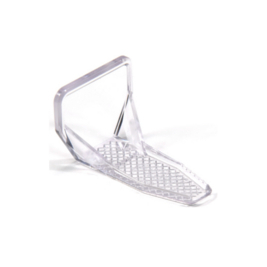
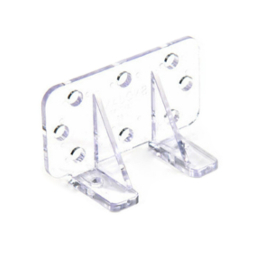
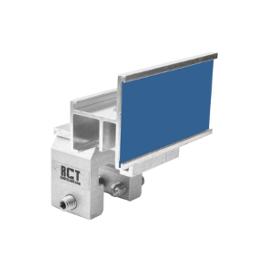
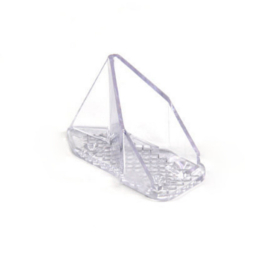


Sloped glossy coated steel roofing requires snow guards, snow retention systems, or snow rails to control the sudden release of snow and ice during winter. These roofing materials help protect people, prevent injuries and damage to gutters, and end property damage by keeping snowfall on the roofing surface. Snow retention systems are commonly used on roofs in regions with heavy snowfall to improve safety and protect people and property structures from the weight of snow and hazards associated with falling snow and ice. Snow guards are evenly spaced on standing seam roofs to create friction and hold snow and ice in place until they melt or fall off in a controlled manner to prevent potential damage to gutters. The durable design of a specific type of snow guard material depends on factors such as the roof type, the climate of the region, the snow weight, and the building's aesthetics. Powder-coated snow guards and snow rails have increased durability to withstand harsh winter elements that roofs can experience.
What are the recommended heights and widths for snow guards?
An effective pad-style snow guard product should measure at least two and a half inches high and three inches wide. These measurements determine the snow retention system's function, strength, and effectiveness of the holding ability of the snow weight.
What are the factors to consider when choosing snow guards?
When choosing snow retention materials, consider using snow guards made of stainless-steel powder coated in the USA to match the American-made roofing colors. Manufacturers of snow guards do not recommend adhesive installation with their snow retention systems. The roof type plays a role in determining which type of snow guard materials to use. Slate roofs usually use snow guards that hook into the screws under the slate shingle. Most snow guard attachment methods are compatible if you have a screw-down roof. Screw-down snow guards have screws that fasten through the snow guard into a purlin or structural support below to avoid release in winter. Compatible screws must be attached to at least one and a half inches of substrate. If you have a standing seam roof, choose a plastic snow guard that fastens with adhesive or a snow rail that clamps to the seam. Keeping snow from sliding off steep roofs sometimes necessitates more than just putting snow guards over an entranceway or vent pipe. Not all roofs are alike, and the type of snow guards recommended may differ depending on the roof type and roofing materials used in the project.
What is the preferred method of attaching snow guards to avoid damage and leaks?
The preferred snow guard attachment method to prevent damage and avoid leaks in your house or commercial roofing is to install snow retention systems with adhesive. The preferred snow guard adhesive is SureBond SB-190. Only use adhesive with snow guards constructed of UV-stabilized polycarbonate. Any company that manufactures snow guards should be able to provide a customized spacing layout before purchase. Adhesive snow guards should not be installed in the fall because they need adequate time and temperature to cure properly. Clean debris from the roofing panel with rubbing alcohol and let dry before installing an adhesive snow guard.
It's advisable to consult an architect, engineer, or snow guard manufacturer to determine the most durable and effective snow retention solution for your roof type. After purchasing snow guards, following the manufacturer's installation directions and recommended spacing layout is crucial. Ensure that the primary business of the manufacturers supplying the snow guards is snow retention; many plastic injection molders now claim to be snow guard experts. It's best to confidently purchase snow guards proudly made in the USA to guarantee the best quality for your house or commercial project.Types of Snow Guards
These are individual polycarbonate plastic or metal snow guards affixed to the metal roof's flat panel surface. Typically, independently placed snow stops will be spaced throughout the entire roof to restrict the movement of frozen precipitation. Most pad-style snow guards can be fastened with adhesive to the roof surface or screwed down through the metal roof panel into the structural supports below. Never glue pad-style metal snow guards to a metal roof sheet; only mount pad-style plastic snow guards with adhesive if that attachment method is preferred. It is advisable to space individual mounted snow guards in a staggered formation so that they behave like fingers, gripping the snow and ice and holding it in place until it can safely melt.
The very first polycarbonate snow guard was the Snojax I. This invention replaced the cheap cast snow guards that rusted on metal roofs due to the galvanic reactions of dissimilar metals when exposed to the elements. As standing seam roofs gained popularity, the company introduced the Snojax II with a new, more extensive base for adhesive mounting. Later on, a more cost-effective version, the SnoBlox Deuce, was created to eliminate minor rib straddling by adding a waffle base to improve adhesion when applied with adhesive. The UV-stabilized polycarbonate used to make these snow guards is the same material as on the astronaut's face masks.
The safest way to attach a snow guard to any metal roof is with adhesive. The most significant advantage of this attachment method is that there will be no roof leaks because there are no roof penetrations. Adhesive-mounted snow guards do not damage the roof in the event of a release, making this attachment method the least detrimental to the roof panel. It is not advisable to screw down snow guards on concealed fastener metal roof systems. Standing seam roofs accommodate thermal expansion and contraction, allowing them to adjust to various temperature conditions. Screwing a snow guard into this type of panel will interfere with this natural occurrence. The only recommended adhesive for mounting plastic snow guards is the SureBond SB-190.
Stainless Steel snow guards provide an excellent option for all types of metal roofs. Screw-down pad-style like the SnowCatcher or the bracket-style aluminum SnoCleat PBR snow guards on exposed fastener roofs fasten into a purlin or structural support below the roof sheet. Installers use individual seam-mounted aluminum snow guards, like the SnoCleat RC, on standing seam roofs without penetrating the panels. There is also an option to use galvanized or aluminum snow rails that either screw down or attach to the standing seam.
The recommended attachment method for snow guards depends on the project's roofing type. If the metal roofing panels are screwed down, then it is usually acceptable to mechanically attach the snow guard. It is essential to fasten the screws to a purlin or structural support below. Never stitch the screws just to the metal roof sheet. Individual screw-down snow guards should always be placed in the roof panel's flat portion and staggered across the entire roof. All our pad-style metal and polycarbonate snow guards are suitable for mechanical attachment. The SnoCleat PBR screw-down bracket-mounted snow guards get installed like pad-style snow retention. The SnoCleat 2.67 is a specialty snow guard that mounts on the high portion of the wavy corrugated metal roof panel. As with all our mechanically mounted snow retention systems, the screws attach to a purlin or substructure below.
Standing seam snow guards, typically installed on the seams of metal roof panels on concealed fastener roofs, are also known as snow rails or individual seam-mounted snow guards. The other standing seam snow guard type is a polycarbonate pad-style, applied with adhesive. The IceJax and Snojax II models can be mounted on the flat portion of the roof panel or flipped over to straddle the minor rib. The SnoBlox Deuce fits between most minor ribs with the need to rib straddle.
Snow rails should consist of square or flat metal bars attached to brackets or seam clamps running horizontally across the entire roof. Optional IceStoppers prevent snow and ice from sliding under the bar. Our experience has proved that round bars do not effectively hold snow and ice on a sloped metal roof. All snow bars need to have a flat surface to work correctly. The flat-face design of our bar systems keeps snow and ice in place to prevent it from sliding down the roof. The SnoBar snow retention systems can be color-matched to the metal roof panel. Using a square bar like the SnoBar or a flat bar like the ColorBar is preferable among contractors. Bar-Style snow guards can be mounted on clamps to the standing seams or screwed down to a mechanically fastened panel using a bar mounting bracket. A double-bar SnoBar and Two two-bar ColorBar system is also available.
The novelty of peel-and-stick snow guards is a great concept. However, a tape-mounted snow guard, like our SnoBreaker 3m, must be pointed to break the snow and ice instead of holding it on the roof until it melts. Even though the strength of the 3m tape we recommend is incredible, the perimeter still needs to be sealed with the SB-190. The SB-190 sealant/adhesive keeps the water from getting trapped underneath the guard. Peel-and-stick snow guards are considered a non-permanent application for light-duty use.
Installers mount the bracket-style snow retention system using a screw-down bracket that attaches to the flat portion of a screw-fastened metal roof. The SnoCleat PBR and SnoCleat 2.67 use aluminum brackets to mount to a screw-down roof system. These metal brackets also support mechanically fastened continuous bar-style snow retention systems. When properly spaced on the roof, mechanically attached snow rails and individual snow cleats will help mitigate the damage caused by sliding snow and ice while distributing the weight evenly across the roof. The SnoBar and ColorBar brackets are available to fit most screwed-down metal roof panels. Many architects prefer the look of the SnoBar and structural ColorBar snow retention system because they are discreet without disrupting the roof's aesthetics.
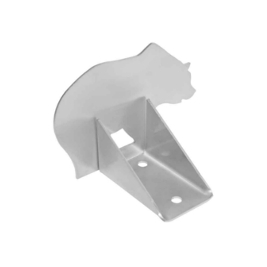
The stainless steel Decorative SnowCatcher snow guards come in several different shapes. They are attached with quarter-inch thick screws through the roof sheet into a purlin or structural support below. T